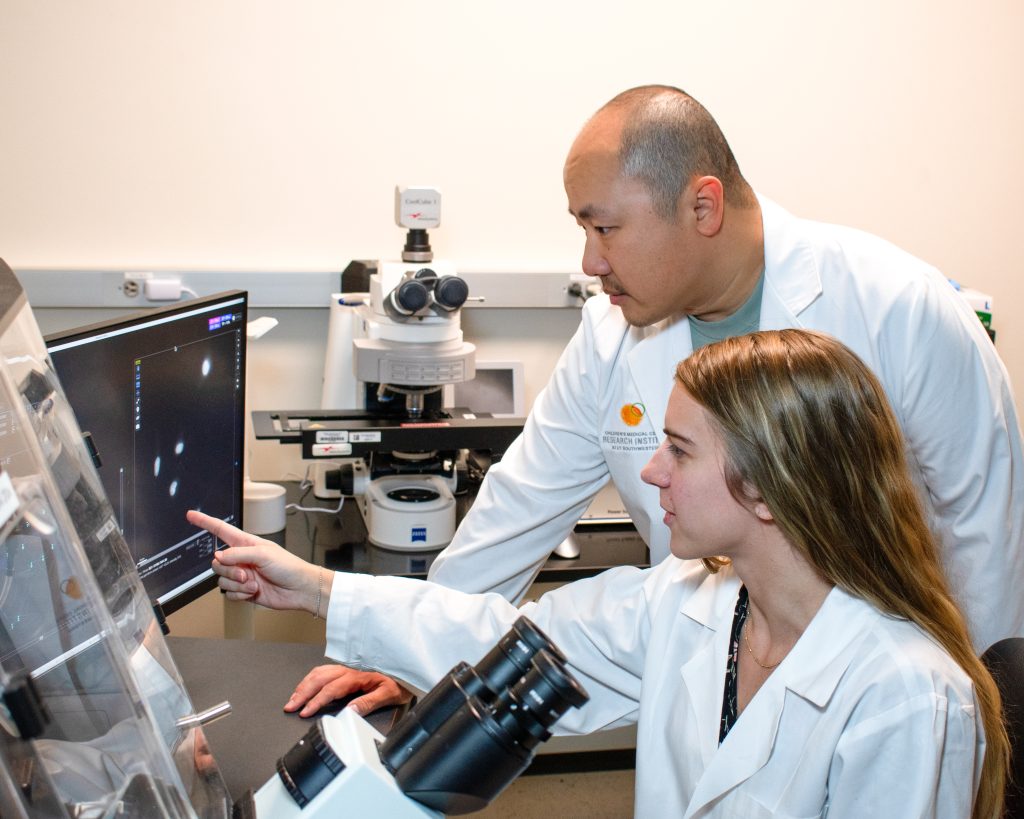
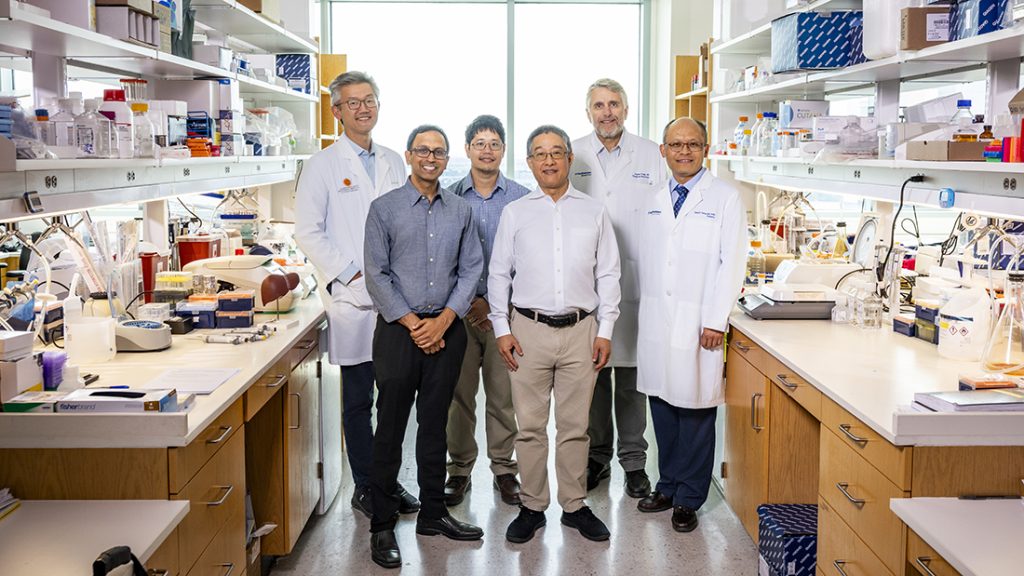
May 19, 2026 Human cells can exchange genomic DNA that alters cell behavior Children’s Research Institute scientists discover that DNA transferred between cells can be inherited, remain biologically active … Cancer Biology
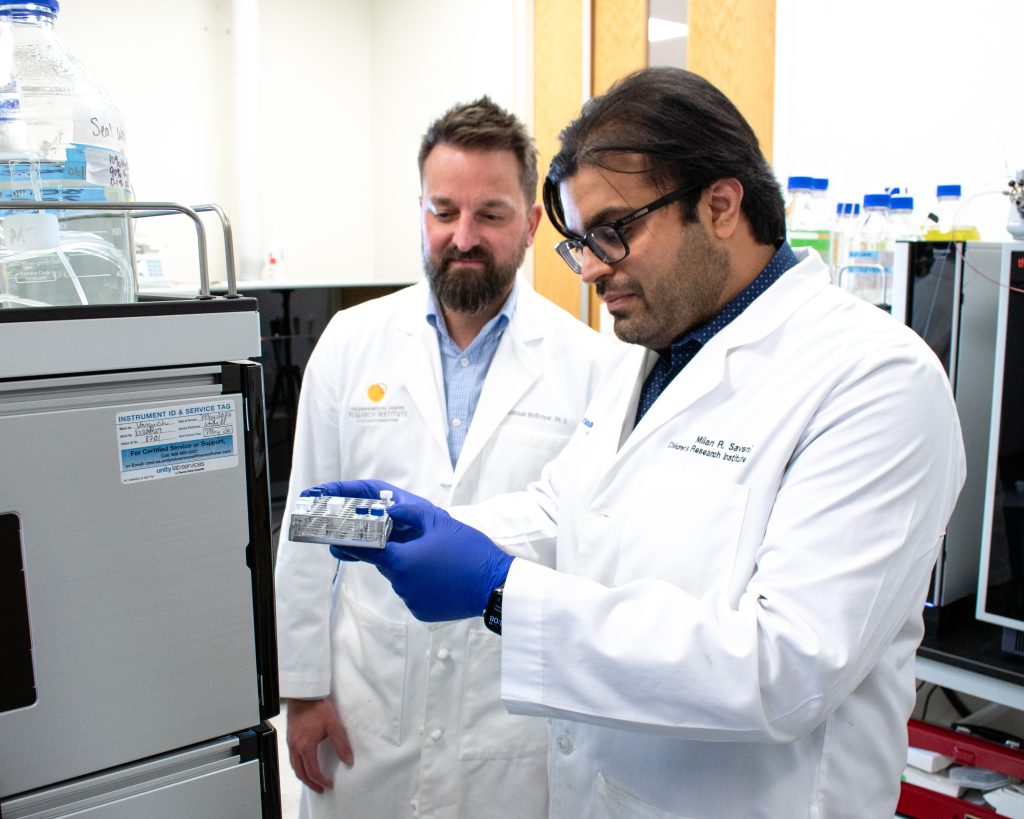
April 29, 2026 Cell maturity determines pyrimidine synthesis pathway preference McBrayer Lab uses their new nitrogen metabolism profiling platform, organoid model to discover modification of enzyme … Metabolism
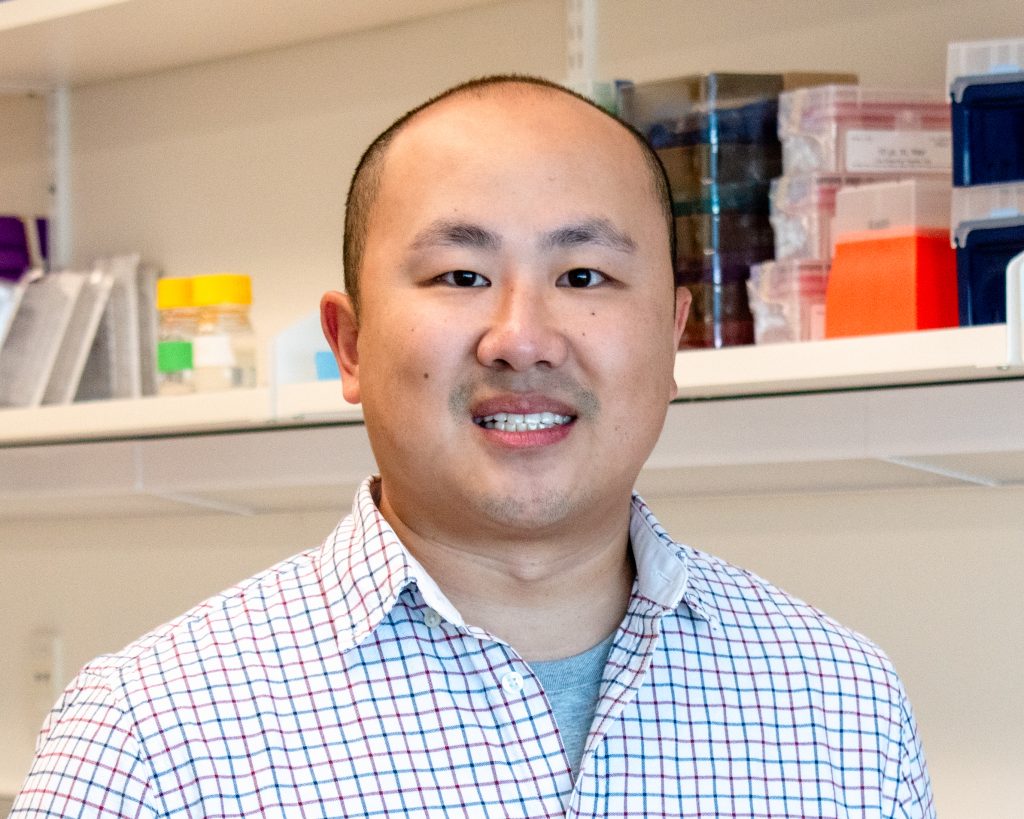
March 9, 2026 Meet Dr. Henry De Belly Henry De Belly, Ph.D., the newest CRI faculty member, launched the De Belly Lab in early 2026 …
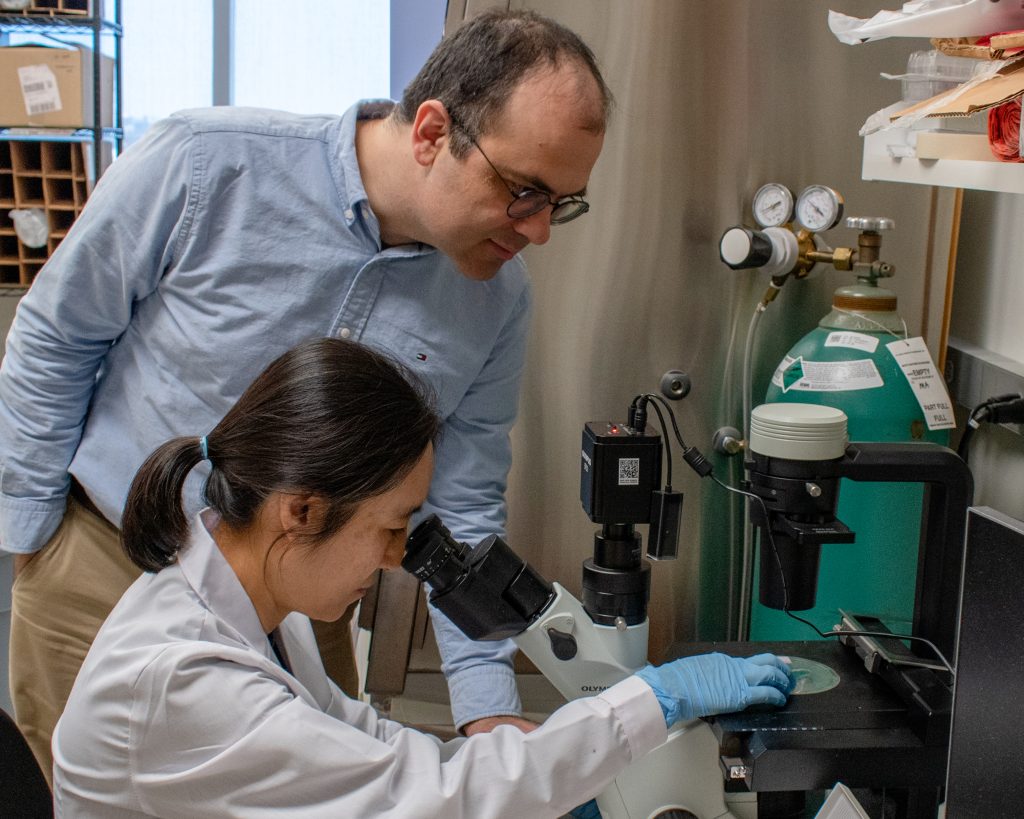
December 23, 2025 Loss of vitamin C synthesis protects animals from schistosomiasis Agathocleous Lab, collaborators discover vitamin C deficiency can benefit animals by depriving vitamin from parasitic worms …
November 6, 2025 Location matters for liver cancer’s origins Hepatocellular carcinoma arises primarily in zone 3 due to glutathione transferase genes that help mutated cells … Cancer Biology, Regenerative Medicine
November 6, 2025 Protein regulating balance between purine nucleotide production pathways discovered NUDT5 suppresses de novo purine biosynthesis through PPAT interaction, affects thiopurine sensitivity The protein NUDT5 is … Metabolism
October 23, 2025 Mishra, Zhu selected to develop in vivo genetic screens to identify new regulators of liver trauma
September 1, 2025 Meet Dr. Peter Ly Peter Ly, Ph.D., is our newest faculty member, transitioning his lab to Children’s Research Institute in …
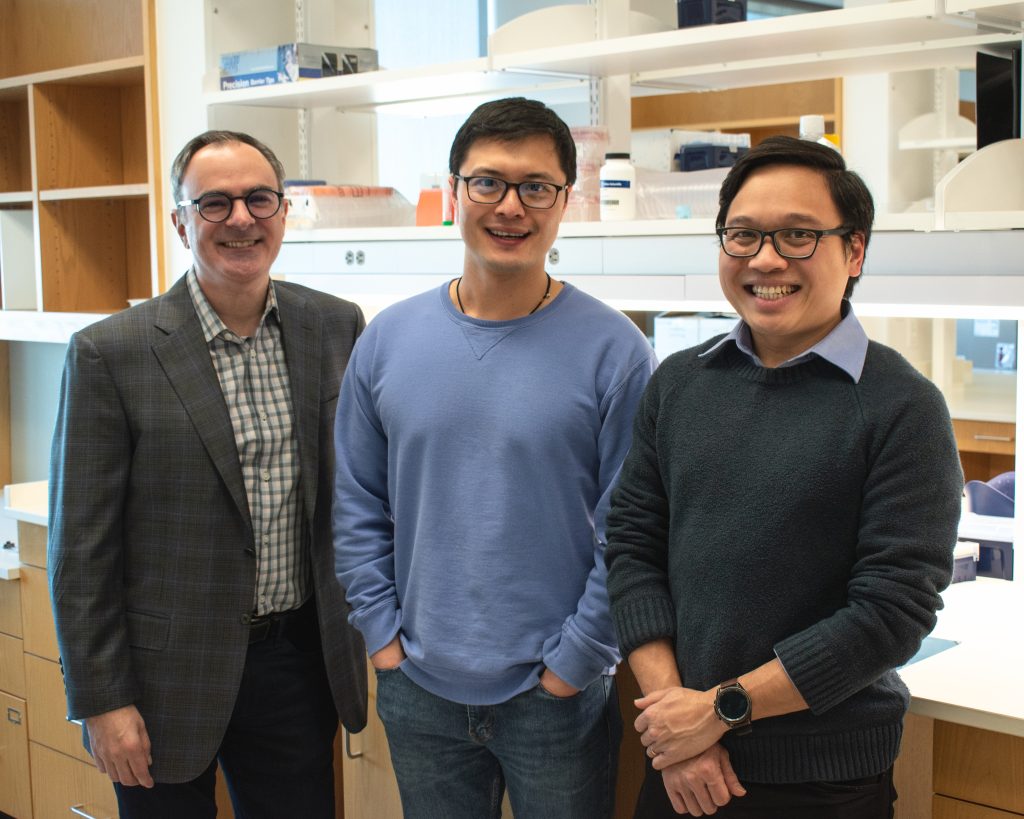
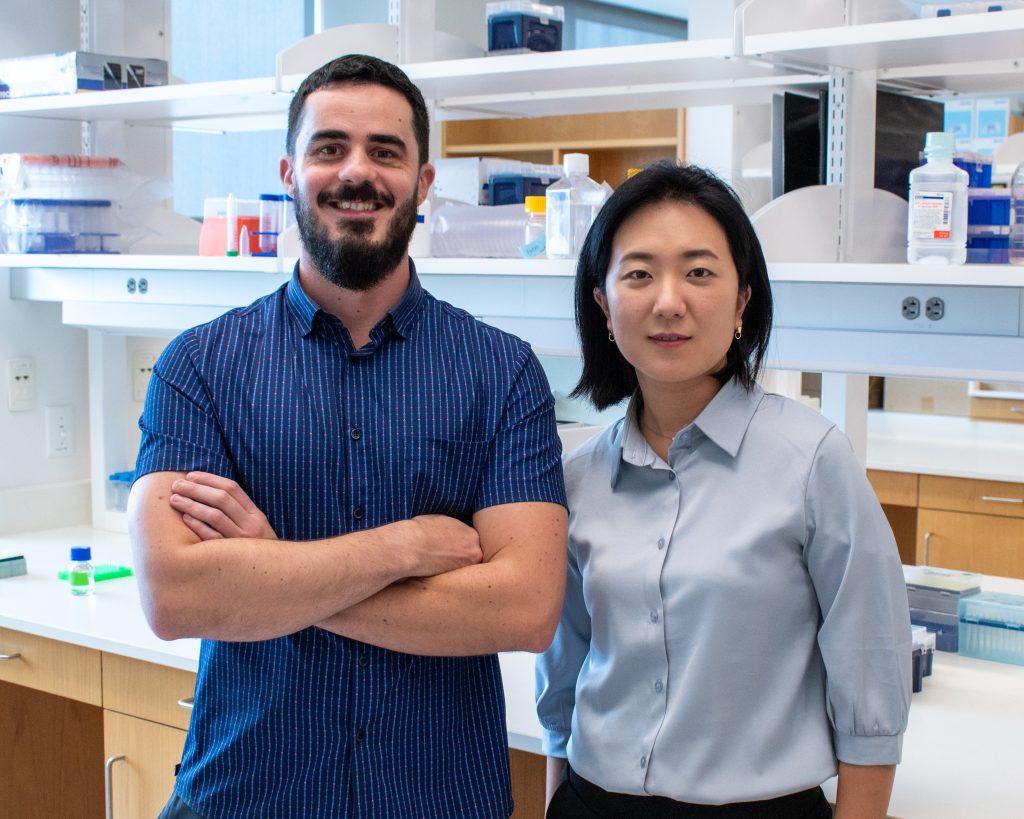
August 12, 2025 Two Children’s Research Institute scientists named 2025 Pew Scholars Javier Garcia-Bermudez, Ph.D., Hijai Regina Shin, Ph.D., selected to advance cancer, biomedical research DALLAS – Aug. …
July 30, 2025 PEX39 discovered: first human peroxin in 20 years CRI researchers, international colleagues identify PEX39, which facilitates peroxisomal protein import PEX39 is the first new … Metabolism